SET THE APPROACH FIRST
Plan your entry so your scent cone does not sweep the cover you expect a predator to use. Treat wind as part of the stand before choosing where to sit.
GRYDSEEKR STORIES
The GrydSeekr field journal is designed around original photographs and firsthand experiences—not stock-photo outdoor culture.
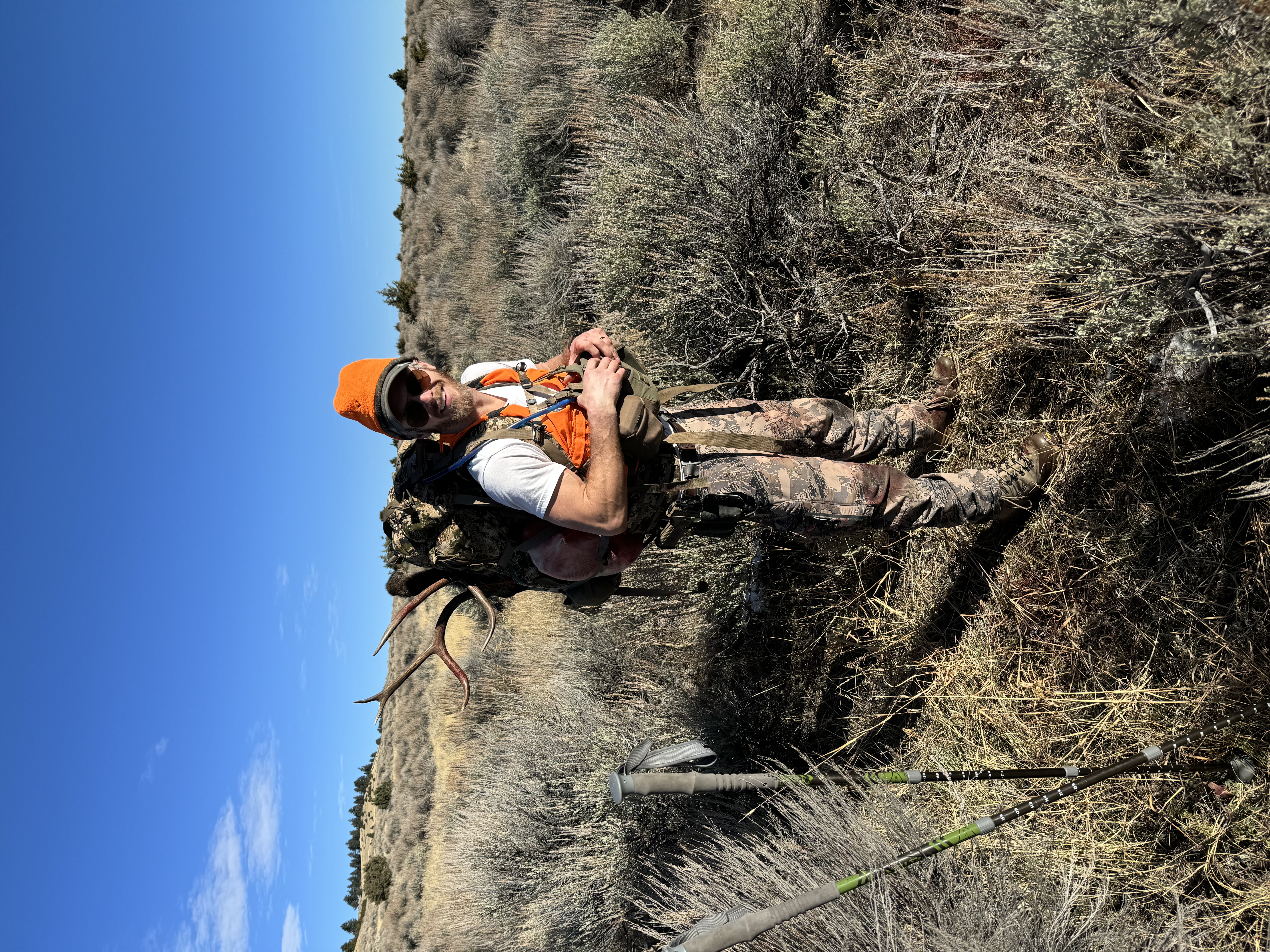 HUNTINGExplore state hunting desks →
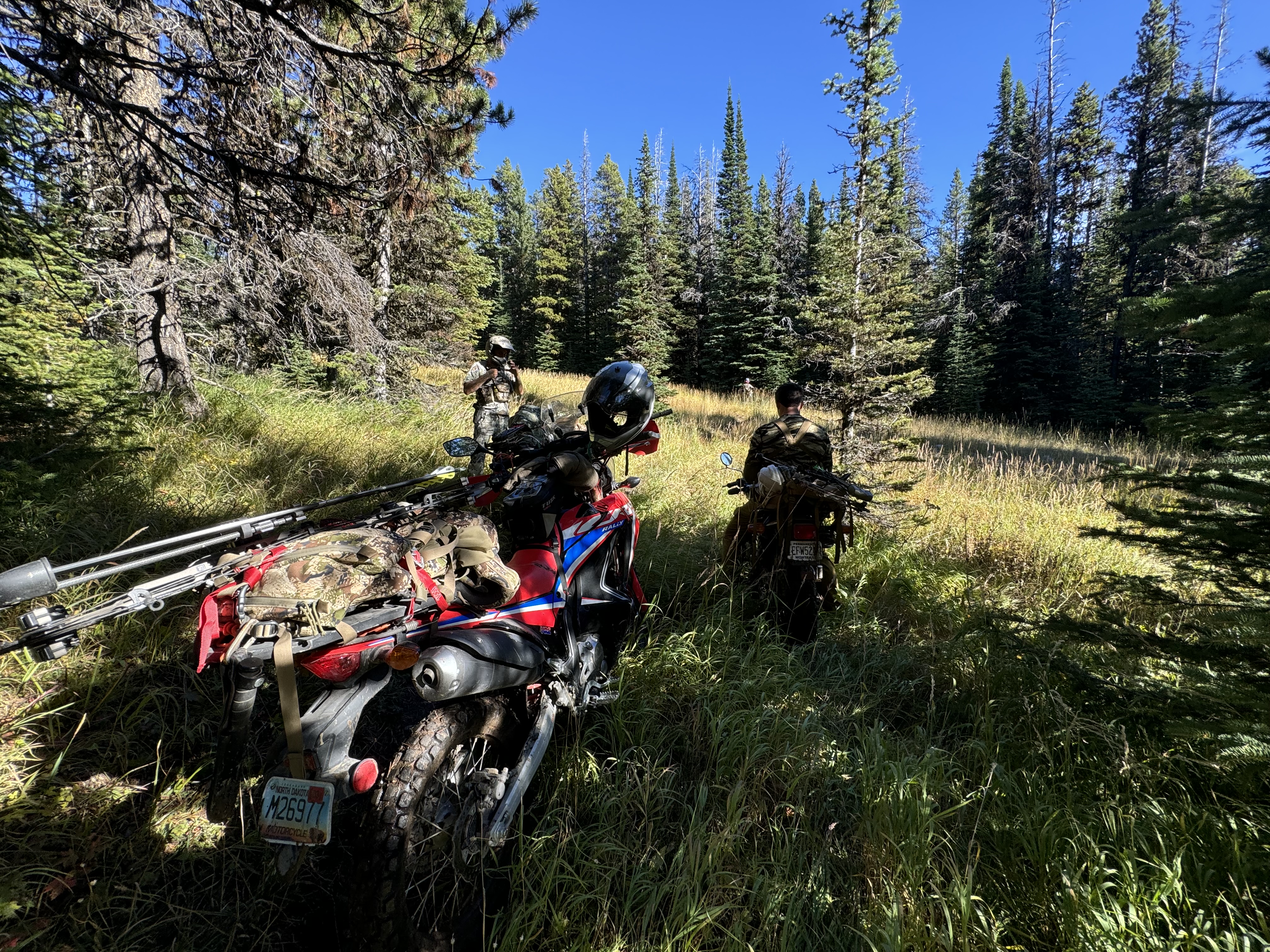 ADV / TRAILSRead the ADV journal →
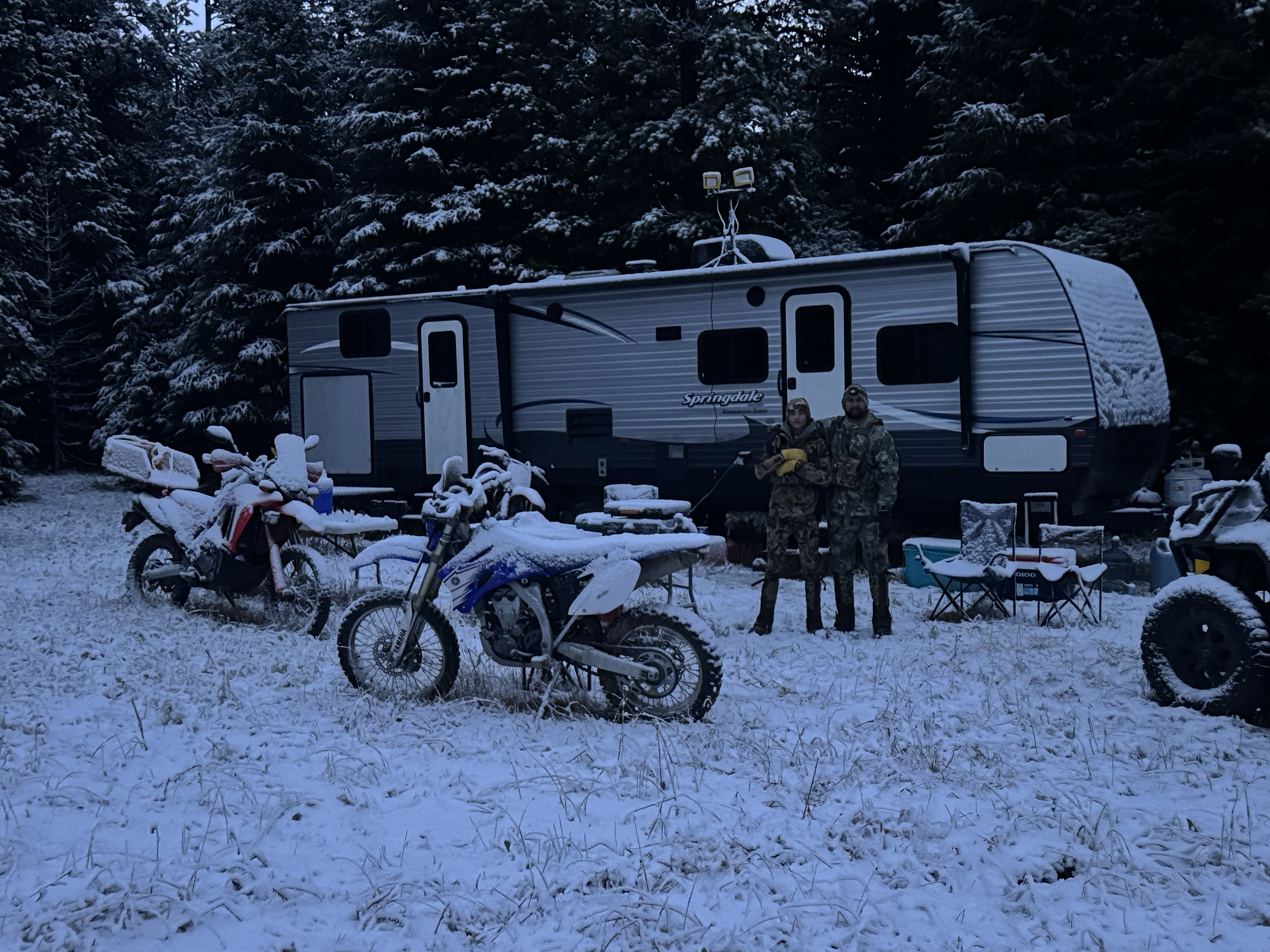 BASECAMPFind campgrounds and RV parks →
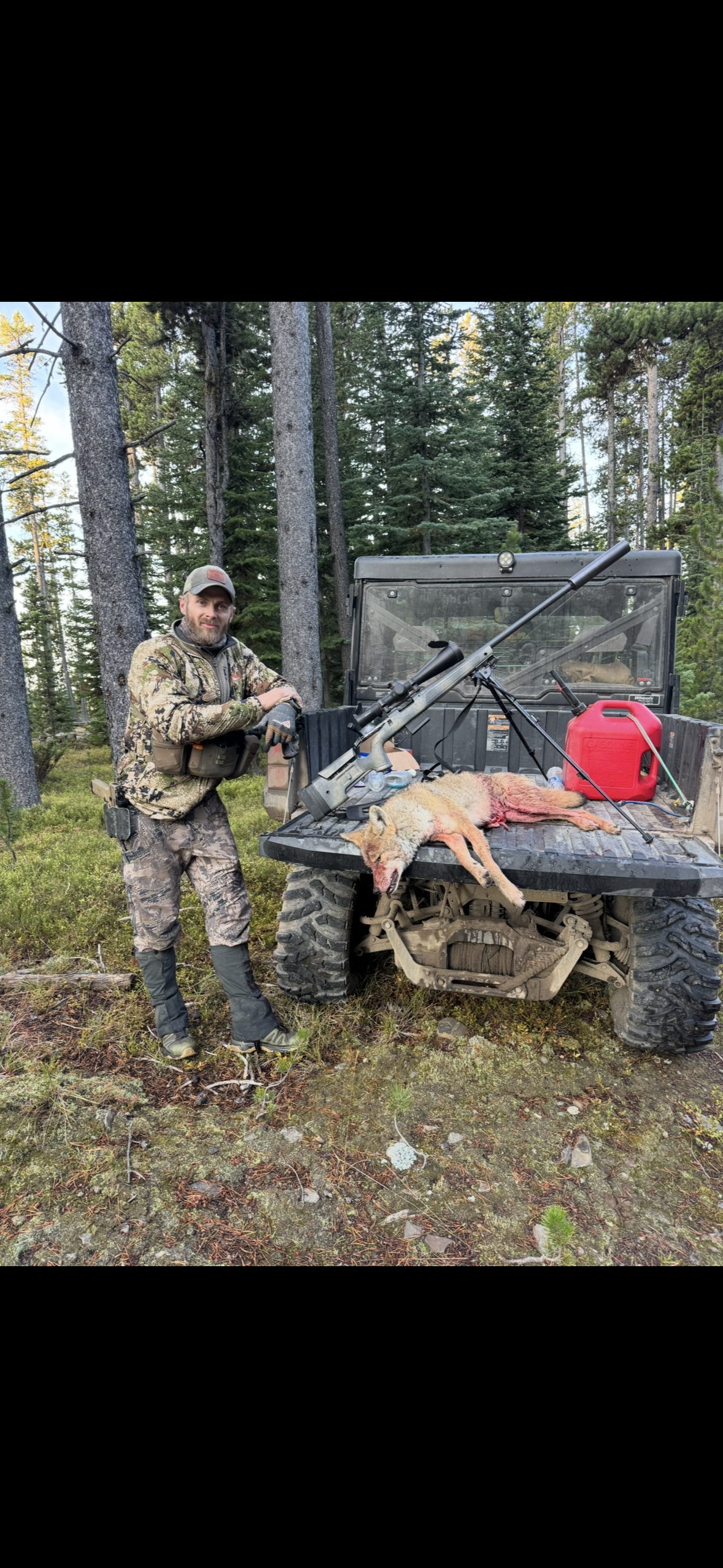 PREDATOR COUNTRYRead field tactics →
Elk, deer, bear, pronghorn, moose and mountain hunts from across the country.
UPLAND & WATERFOWLBird hunts, dogs, weather, access and days built around wings instead of antlers.
PREDATOR COUNTRYCoyote calling, winter setups, bear encounters and lessons from wild country.
HUNT STORIESSuccess, failure, persistence and the details that made a hunt memorable.
PUBLIC LANDAccess, scouting, pressure and the work behind shared hunting ground.
ENCOUNTERSBear, predator and wildlife encounters with lessons other hunters can use.
FIELDCRAFTScouting, camp systems, calling, tracking and backcountry knowledge.
Coyotes are adaptable generalists with resident and transient animals, so productive setups usually come from understanding travel, cover, prey, pressure and wind rather than relying on one call sequence.
Plan your entry so your scent cone does not sweep the cover you expect a predator to use. Treat wind as part of the stand before choosing where to sit.
Focus on draws, brushy edges, broken terrain, creek systems, field edges and other places that connect food, cover and travel.
Use a setup that lets you watch likely approach routes while keeping your silhouette and movement hidden.
Heavily called areas reward different access, quieter entry and less obvious setups. Rotate stands instead of burning the same location repeatedly.
Small-game concentrations, livestock edges, carrion and seasonal food availability can change where coyotes spend time.
Night hunting, electronic calls, artificial light, firearms and predator seasons vary widely. Verify current state and local regulations before hunting.
Use maps to narrow a huge unit into a short list you can actually scout. The goal is not to predict an animal's exact location from home; it is to identify terrain, access and movement features worth checking first.
Mark trailheads, roads, legal access points and parking first. Then draw realistic travel radii so the map reflects how far you are actually willing to hike.
Look for benches, saddles, fingers, bowls, basins and drainages. Flatter terrain inside steep country often deserves extra attention for bedding, travel or staging.
Identify likely food, bedding, water and the travel corridors connecting them. A useful map tells a movement story, not just a collection of pins.
Mark points that can see multiple slopes, basins or openings without forcing you to expose yourself or cross the country you want to watch.
Trailheads, easy road access and obvious ridges can concentrate hunters. Use that information to identify overlooked pockets and alternate approaches.
Think about prevailing wind, morning downhill thermals and daytime uphill thermals before choosing an approach or bedding-area route.
Satellite imagery can show springs, tanks and creeks that may be seasonal or dry. Treat remote water as a lead until confirmed on the ground or by a reliable current source.
Save multiple access routes, glassing points, camps and hunt areas. Fire, weather, pressure, road conditions or animals can invalidate Plan A quickly.
FIELD SOURCE NOTE // These principles are consistent with current e-scouting guidance from mapping and hunting resources that emphasize terrain, access, routes, glassing, water, food, bedding, edge habitat, wind and 3D/topographic analysis.
READ ONX E-SCOUTING GUIDE →Original field stories give GrydSeekr search value, credibility and material that can keep working long after a daily headline disappears.
What happened, where the plan changed and what another hunter can use.
Fieldcraft, scouting, calling, camp systems and practical preparation.
Public-land country, trail systems, basecamps and places worth planning around.
Bear encounters, weather, access and hard lessons that improve decisions.
Tell GrydSeekr what happened and why another hunter should hear it.
SUBMIT YOUR STORY →