LOOKING FOR COYOTE & PREDATOR TACTICS?
GrydSeekr's predator desk covers wind, terrain, visibility, pressure, prey and legal setup considerations.
OPEN PREDATOR COUNTRY →AVOIDING THE SURPRISE
Pay attention to fresh sign, limited visibility, food sources, carcasses, cubs and wind. Make your presence known where appropriate and keep attractants managed.
THE ENCOUNTER
Species, distance and behavior matter. Give bears room, avoid sudden escalation and follow current wildlife-agency guidance for the region you are hunting.
DEFENSE PREPARATION
Bear spray should be immediately accessible rather than buried in a pack. Read the manufacturer's directions before the trip. Where lawful and appropriate, some hunters also carry a firearm as an additional defensive tool; training, safe handling, accessibility and local law matter.
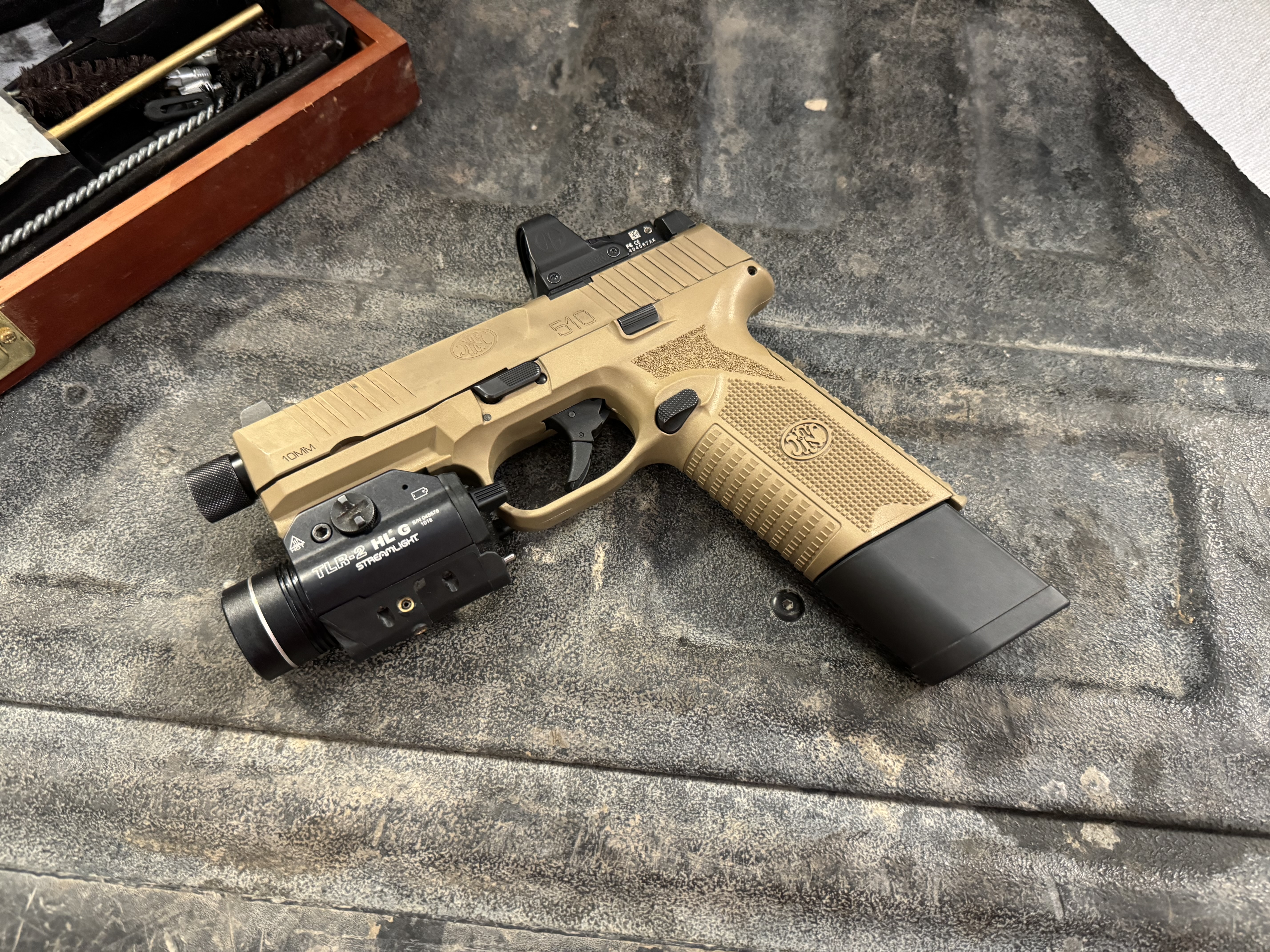
THE TOOL IS ONLY PART OF THE PLAN.
An encounter can unfold fast. If you lawfully carry a sidearm, train regularly with a qualified instructor so safe handling and access become familiar before you need them. Know where your primary and secondary tools ride and practice with them; a close encounter is a poor time to learn a new movement.
Bear spray deserves the same preparation. Can you reach it without looking, even with your pack on? Can you find the safety without hesitation? Carry it on your body and practice drawing an inert training canister. If the answer is no, make that practice part of your next trip preparation.
Awareness, distance, food and carcass management, communication and sound judgment remain part of the plan. The National Park Service recommends bear spray and cautions that firearms are not a substitute for preventing encounters.
READ NATIONAL PARK SERVICE BEAR SPRAY GUIDANCE →AFTER AN INCIDENT
Get to safety, seek emergency care when needed, and report serious encounters to the appropriate authorities or wildlife agency.